
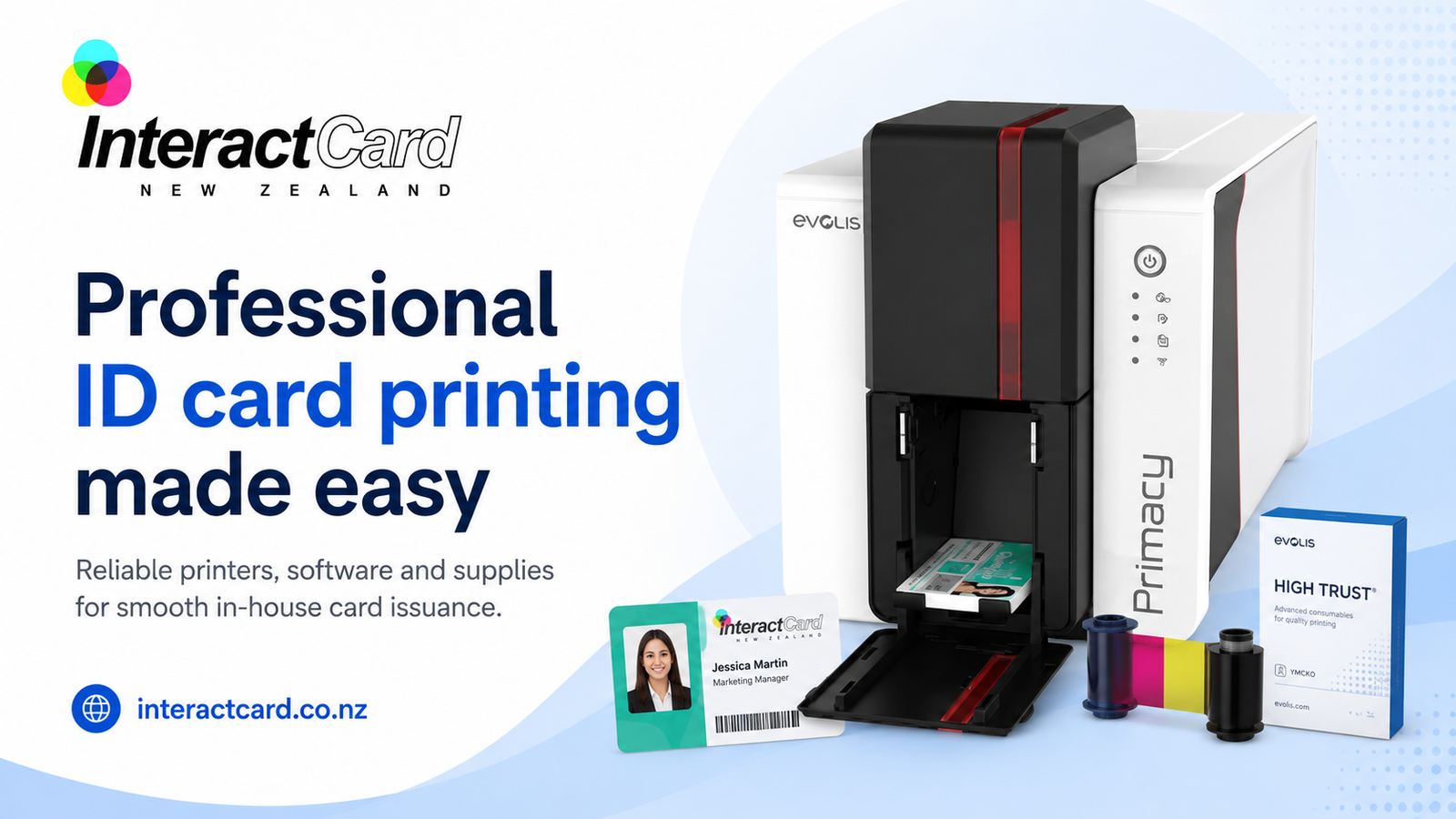
Card printing is often seen as a back end function. It is something administrative and routine. It plays a much bigger role in shaping how businesses interact with customers and employees, as well as partners, in reality. Card printers are not just tools for printing identity today. The card has become a powerful touchpoint as an organisation competes to offer better experiences.
Cards as experience tools and not just identification
Think about the last time you received a membership card or hotel key card or an event badge. It was not just functional. It was part of your overall experience. Businesses now use cards for the following.
- Create memorable first impressions
- Reinforce brand identity through design
- Provide seamless access to services
- Enhance customer loyalty programs
Companies can produce visually striking and highly functional cards that go beyond basic identification with advanced badge printers.
The psychology behind physical cards
Physical cards still hold a unique psychological value. They feel tangible and personal as well as trustworthy. Why do people still prefer physical cards?
- They create a sense of ownership
- They are easy to carry and use
- Try to build a stronger brand recall
- They provide quick and offline accessibility
It is where a huge quality plastic card printer becomes essential. It ensures that every card reflects professionalism and durability.
Turning cards into revenue channels
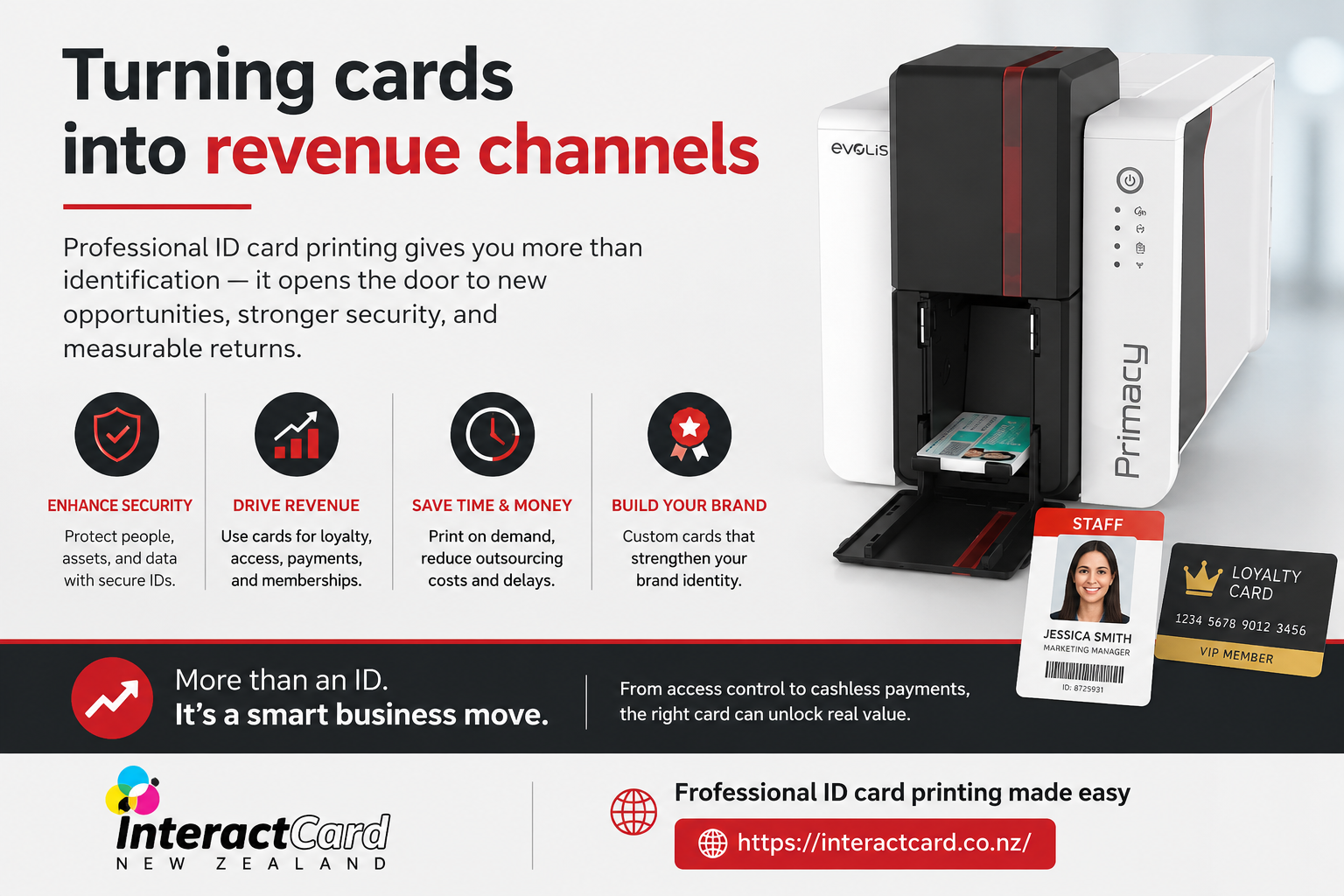
Many businesses are now leveraging card printing as a direct or indirect revenue driver. Here is how.
- Gift cards encourage repeat purchases and increase upfront revenue.
- Membership cards offer exclusive benefits and recurring income
- Loyalty cards boost customer retention and spending frequency
- Access cards enable premium services and tiered pricing
Reliable card printers enable businesses to adapt their offerings and launch new programs without delays.
Brand opportunities hidden in every card
A card is a mini billboard that customers carry with them. Every detail contributes to brand perception, from colour to finish. Key branding elements include the following.
- Logo placement and size
- Typography and readability
- Use of textures, matte, or gloss finishes
- Inclusion of brand colours and patterns
Modern badge printers allow for high resolution printing. It ensures that branding remains sharp and impactful.
Integration with digital systems
One of the most exciting developments in card printing is its integration with digital technology. Cards are no longer standalone items. They are part of connected systems. The following are some examples.
- Cards linked to mobile apps
- QR codes for instant scanning and access
- RFID enabled cards for contactless entry
- Integration with CRM and attendance systems
A versatile plastic card printer ensures compatibility with these technologies. It makes it easier to bridge physical and digital experiences.
Flexibility for changing business needs
Businesses today need to be agile. It may be onboarding new employees or hosting events or launching promotions. Speed matters in all of these instances. In house card printing offers are as follows.
- Immediate card issuance
- Easy updates and reprints
- Customisation for different departments or campaigns
- Reduced dependency on external vendors
Efficient card printers help organisations to respond quickly to changing demands without compromising quality.
Enhancing security through smart printing
Security is a growing concern as access industries and cards play a key role in access control. Advanced features include the following.
- Encrypted chips for secure data storage
- UV printing for hidden verification marks
- Biometric integration for high security environments
- Unique serial numbers for tracking
High performance badge printers support these features. It helps organisations protect sensitive areas and information.
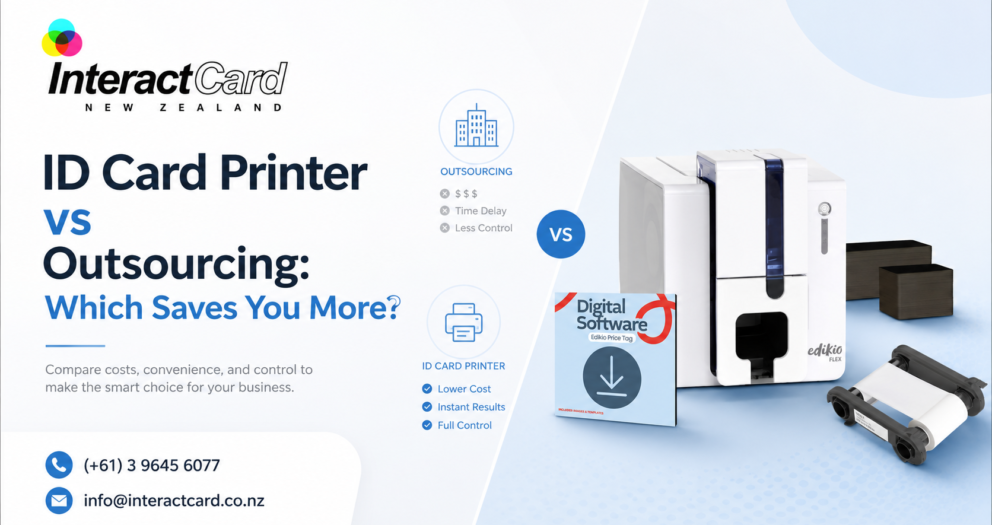
Cost efficiency over time
It often proves cost effective in the long run, while investing in a card printing setup may seem like a significant expense initially. Benefits include the following.
- Lower per car printing costs
- Elimination of outsourcing fees
- Reduced turnaround times
- Better control over inventory and usage
A dependable plastic card printer ensures consistent output. It reduces waste and reprints.
Little Things That Have a Big Impact
The tiniest details can sometimes make a card stand out from the crowd. Think about including the following.
- Authentication with signature panels
- Scratch off sections for promotions
- Transparent components for contemporary designs
- Durability enhancing embedded security layers
These improvements can greatly increase functionality and are simple to apply with the correct card printers.
Getting Ready for the Future of Card Printing
Innovation and adaptability are key to the future of card printing. The options also change as technology advances. Among the new trends are as follows.
- Eco friendly card materials
- Cloud based methods for managing cards
- Kiosks for on demand printing
- Hybrid cards that include several different technologies
Companies that purchase cutting edge badge printers now will be better equipped to implement these advancements later on.
Final words
Card printing is now a strategic asset that affects branding, security, and customer involvement in addition to being an operational necessity. Well designed and well printed cards have a wide range of effects, from facilitating easy access to producing unforgettable encounters.
Interactcard NZ provides dependable card printers that are suited to contemporary business requirements for companies wishing to realise the full potential of card printing. Interactcard NZ assists companies in turning basic cards into effective instruments for expansion and interaction with a strong emphasis on quality, innovation, and support.

Write a comment
Your email address will not be published. All fields are required